Bunlay: The Playfully Nostalgic Serif for Modern Design
There's a particular warmth that comes from seeing typography that feels familiar yet fresh. Bunlay captures that sweet spot where vintage charm meets contemporary design sensibility. This serif font doesn't just display letters—it tells stories, evokes memories, and adds personality to every project it touches. For designers and creators seeking that special retro touch without feeling dated, Bunlay presents an intriguing solution worth exploring.
Understanding Bunlay's Visual Character
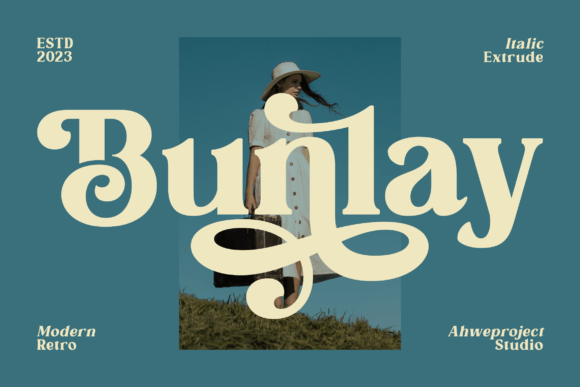
What makes Bunlay stand out in a crowded field of premium fonts? Its personality lies in the details. The letterforms carry subtle curves and gentle terminals that suggest handcrafted quality rather than rigid geometric precision. You'll notice the balanced stroke contrast—thick enough to feel substantial, yet refined enough to maintain elegance at various sizes. The serifs themselves have a softened quality, avoiding the harshness of some traditional serif fonts while retaining that classic structure we associate with timeless publishing.
This isn't a font shouting for attention through extreme contrast or unusual proportions. Instead, Bunlay works through confident restraint. The x-height provides comfortable readability, while the overall proportions create a rhythm that guides the eye naturally across text. It's the kind of typeface that feels like it belongs on a well-loved book cover, a sophisticated café menu, or a boutique brand's packaging—places where authenticity matters more than trendiness.
Where Bunlay Truly Shines
Let's talk practical applications. Where does this creative font deliver its best work? The versatility might surprise you.
Brand Identity and Logo Design
For entrepreneurs building their visual identity, Bunlay offers that elusive combination of approachability and professionalism. A bakery wanting to convey artisanal quality, a boutique hotel seeking nostalgic elegance, or a lifestyle brand aiming for trustworthy sophistication—these are scenarios where this serif font excels. It communicates heritage without feeling stuffy, tradition without appearing outdated. When used in logo design, Bunlay creates instant recognition while maintaining the flexibility to work across various applications from business cards to storefront signage.
Editorial and Publishing Projects
Magazine layouts, book covers, blog headers, and newsletter designs benefit tremendously from Bunlay's readable elegance. The font maintains its character even when set at smaller sizes for body text, though it truly comes alive in display applications. Think chapter headings that invite readers into the story, pull quotes that demand attention without disrupting flow, or feature article titles that establish the editorial voice before a single word of content is read.
Packaging and Product Design
Physical products deserve typography that feels equally tangible. Bunlay brings that tactile quality to packaging design—whether you're creating labels for artisanal goods, designing gift boxes for a subscription service, or developing product tags for handmade crafts. The vintage aesthetic works particularly well for brands positioning themselves as authentic, handcrafted, or heritage-inspired. It signals quality and care in ways that more generic typefaces simply cannot achieve.
Digital Applications and Social Media
Don't assume vintage-inspired fonts belong only in print. Bunlay translates beautifully to screen-based projects when used thoughtfully. Website headers gain instant personality, social media graphics develop consistent brand recognition, and email campaigns achieve the professional polish that builds subscriber trust. The key lies in understanding how the font renders digitally and adjusting sizing and spacing accordingly for optimal screen readability.
The Practical Side of Working with Bunlay
Every font choice involves practical considerations beyond aesthetic appeal. Let's address the real-world aspects designers and creators need to understand.
Font Pairing Strategies
Bunlay plays well with others, but choosing complementary typefaces requires some thought. For body text that needs to accompany Bunlay headings, consider clean sans serif fonts that won't compete for attention. A simple geometric sans or a humanist sans serif creates beautiful contrast while maintaining readability. Avoid pairing with other decorative or script fonts unless you're deliberately creating visual complexity for specific design contexts. The goal is harmony—each font should serve a distinct purpose without creating visual noise.
Evaluating Project Fit
Not every project calls for a vintage-inspired serif font. Before committing to Bunlay, ask yourself some honest questions. Does the brand personality align with warmth and heritage? Will the audience appreciate nostalgic design cues? Does the project context support serif typography, or would modern typography with cleaner lines serve better? Consider testing the font with actual content from your project rather than relying on sample text alone. Real words, real names, real messaging—these reveal how a typeface truly performs under practical conditions.
Understanding the Technical Details
Bunlay arrives PUA encoded, which matters more than casual designers might realize. This encoding means every glyph, swash, and alternate character is accessible through standard design software without requiring special OpenType features support. Whether you're working in Adobe Illustrator, Photoshop, Canva, or other design platforms, you can access the full character set through standard methods. This accessibility makes Bunlay practical for designers at every skill level, from seasoned professionals to enthusiastic hobbyists exploring creative typography for the first time.
Commercial Considerations
For small business owners and entrepreneurs, licensing matters significantly. Using fonts correctly ensures legal compliance while protecting your brand investments. Review the specific license terms included with Bunlay before deploying it in commercial projects. Most premium fonts offer clear guidelines about permitted uses—understanding these terms prevents future complications and demonstrates the professionalism your audience expects.
Making Bunlay Work for Your Creative Vision
The best typography decisions happen when aesthetic appreciation meets practical wisdom. Bunlay offers genuine creative value for projects where its personality aligns with communication goals. It won't solve every design challenge, nor should it. But for the right application—when you need that blend of nostalgia, warmth, and refined craftsmanship—few options deliver quite like this thoughtfully designed serif font.
Start by experimenting with Bunlay in low-stakes projects. Test it on a personal blog header, a friend's wedding invitation, or a mock brand concept. Observe how it influences the overall mood and whether it resonates with your intended audience. Typography choices become intuitive through practice, and understanding a font's strengths happens best through hands-on experience rather than theoretical analysis alone.
Consider the complete design ecosystem where Bunlay will live. How does it interact with your color palette? Does it complement your imagery style? Will it maintain consistency across all brand touchpoints? These holistic considerations separate thoughtful typography choices from merely attractive ones. When every element works together intentionally, the result feels cohesive and professional—exactly the impression most creators want to make.